I May Be Straight: A Symbol of Identity and Inclusivity
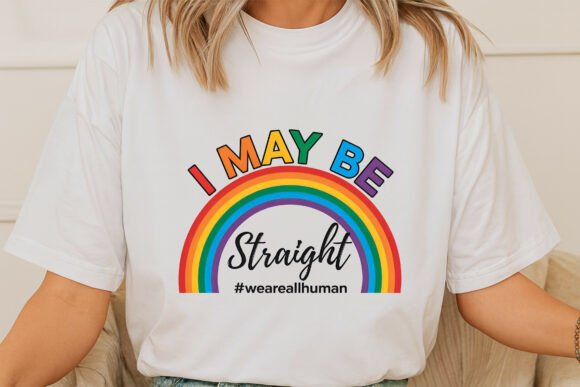
The phrase "I May Be Straight" has become a powerful statement in the world of identity expression, particularly within the LGBTQ+ community. It is often used as a way to acknowledge one's sexual orientation while also embracing the broader spectrum of human experience. This message is visually represented in a vibrant rainbow arch with the text "I May Be Straight" written in colorful letters above it. Below the rainbow, the word "Straight" appears in a cursive font, and at the bottom, the hashtag #weareallhuman promotes inclusivity and acceptance.
For many, this image serves as more than just a graphic—it’s a declaration of self-expression, a celebration of diversity, and a reminder that identity is complex and personal. Whether you're an artist, a small business owner, or someone looking for meaningful content, understanding the significance of "I May Be Straight" can help you make informed decisions about its use and application.
Common Mistakes When Using "I May Be Straight"
While the concept of "I May Be Straight" is simple, there are several common mistakes people make when choosing, using, or applying this design. One of the most frequent errors is assuming that the phrase is universally understood or accepted without context. For some, the phrase may feel dismissive or overly simplistic, especially if they are not part of the community it represents.
Another mistake is not considering the visual elements of the graphic. The image features a rainbow arch, which is a well-known symbol of the LGBTQ+ community. However, the placement of the text and the choice of fonts can affect how the message is received. For example, using a cursive font for "Straight" might be seen as playful, but it could also dilute the message if not done thoughtfully.
Additionally, many people overlook the technical details of the graphic itself. The image is provided as a PNG file with specific dimensions (4096×4096 pixels) and a transparent background. If you’re planning to use it on products like t-shirts or wall art, it’s important to understand how the design will scale and appear on different surfaces.
How These Mistakes Can Impact Your Results
Failing to understand the nuances of "I May Be Straight" can lead to miscommunication or unintended messages. For instance, if you're creating merchandise for a general audience, using this design without proper context might confuse or alienate some customers. Similarly, if you're promoting a product with this image, not being clear about its meaning could result in negative feedback or a lack of engagement.
Technical oversights can also affect the quality of your final product. If you don’t account for the transparent background or the high-resolution format, the image may not look as intended when printed or displayed. This can lead to lower satisfaction among users or clients, especially if they expected a certain level of quality.
Moreover, ignoring the cultural and social significance of the phrase can have broader implications. The hashtag #weareallhuman emphasizes inclusivity, but if the design is used in a way that feels inauthentic or opportunistic, it may come across as insincere rather than genuine.
Practical Advice for Avoiding Common Pitfalls
To avoid these mistakes, start by educating yourself on the meaning and context of "I May Be Straight." Research how it’s used within the LGBTQ+ community and consider the message you want to convey. If you’re using the design for commercial purposes, think about your target audience and whether the image aligns with their values and expectations.
When working with the graphic itself, pay attention to the technical specifications. Ensure that the image is suitable for your intended use, whether it’s for digital media, print, or physical products. Test the design on different backgrounds and devices to see how it looks and adjust as needed.
Also, consider the tone and style of the design. The vibrant colors and playful typography may work well for certain audiences, but they might not be appropriate for others. Choose a design that reflects your brand or message authentically and consistently.
What to Check Before Using "I May Be Straight"
Before making a decision about using "I May Be Straight," ask yourself a few key questions. Who is your audience? What message do you want to communicate? How does this design fit into your overall brand or project? These questions can help guide your choices and ensure that the image is used effectively and respectfully.
It’s also wise to check the source of the graphic. Since it’s a digital instant download, make sure you understand the terms of use and any restrictions that may apply. Some designs may require attribution or have limitations on commercial use, so it’s important to review these details carefully.
Finally, consider how the image will be presented. Whether it’s on a t-shirt, a website, or a social media post, the way the design is displayed can impact its effectiveness. Choose a platform or medium that highlights the graphic’s strengths and aligns with your goals.
Conclusion: Make Informed Choices With "I May Be Straight"
"I May Be Straight" is more than just a graphic—it’s a reflection of identity, expression, and inclusion. By understanding its meaning, avoiding common mistakes, and making thoughtful decisions about its use, you can ensure that it resonates with your audience and achieves the desired impact. Whether you’re a creator, a business owner, or a consumer, taking the time to evaluate and apply this design properly can lead to better results and greater satisfaction.